Introduktion till casinospel för nybörjare
Att ge sig in i casinovärlden kan kännas överväldigande för den oerfarne spelaren. Det finns en mängd olika spel att välja mellan, från klassiska spelautomater till mer strategiska bordsspel. Nyckeln till en positiv upplevelse är att börja med spel som är enkla att förstå och som inte kräver omfattande förkunskaper. Många onlinecasinon, inklusive de som erbjuder spel på plattformar som liknar Menace Casino, erbjuder möjligheten att spela gratisversioner av sina spel, https://menace-se.com/sv-se/ detta är ett utmärkt sätt att lära sig reglerna och känna på spelmekaniken utan ekonomisk risk.

För en nybörjare är det rekommenderat att fokusera på spel med enkelhet i sina regler och snabbt spelupplägg. Spelautomater är ett populärt val tack vare deras varierande teman och enkla spelgång. Man behöver bara välja sitt bet och snurra hjulen. Andra spel som kan vara lätta att komma igång med är Keno eller vissa varianter av videopoker. Dessa spel kräver inte heller djupgående strategier för att kunna njuta av dem, vilket gör dem till perfekta startpunkter.
Förstå grundläggande casinospel
Inom casinovärlden finns det en uppsjö av spel, men några av de mest populära och nybörjarvänliga inkluderar spelautomater, blackjack och roulette. Spelautomater, som ofta finns i stort antal hos exempelvis Menace Casino, fungerar genom att spelaren sätter en insats och sedan aktiverar hjulen som snurrar slumpmässigt. Målet är att landa på kombinationer av symboler som ger vinst enligt spelets vinsttabell. Dessa spel är ren tur och kräver ingen skicklighet.
Blackjack, å andra sidan, introducerar ett element av strategi. Målet är att få en hand med ett högre poängvärde än dealern, utan att överstiga 21. Varje kort har ett specifikt poängvärde, och spelaren måste fatta beslut om att dra fler kort eller stanna med sin nuvarande hand. Roulette är ett annat klassiskt bordsspel där spelare satsar på var en kula kommer att landa på ett snurrande hjul. Det finns många olika typer av satsningar, från enskilda nummer till färg eller udda/jämna nummer, vilket ger både enkla och mer komplexa insatsmöjligheter.
Bankrullehantering och ansvarsfullt spelande
En av de viktigaste aspekterna av att spela på casino, oavsett om det är online eller på ett landbaserat casino som Menace Casino, är att ha en sund bankrullehantering. Det innebär att man bestämmer en budget i förväg för hur mycket pengar man är villig att spendera och att man håller sig till den budgeten. Det är avgörande att aldrig spela för pengar man inte har råd att förlora, och att se spelandet som en form av underhållning snarare än en inkomstkälla.
Ansvarsfullt spelande handlar inte bara om budgeten, utan också om att känna igen tecken på spelproblem och veta var man kan söka hjälp. Det är viktigt att sätta tidsgränser för sitt spelande och att ta regelbundna pauser. Om spelandet börjar påverka ens vardagsliv negativt, privatliv eller ekonomi, är det ett tecken på att man bör söka professionell hjälp. Många spelplattformar erbjuder verktyg för att sätta insatsgränser eller självuteslutning för att stödja ansvarsfullt spelande.
Strategier för att förbättra dina chanser
Även om många casinospel bygger på tur, finns det strategier som kan hjälpa spelare att förbättra sina chanser att vinna och maximera sin speltid. För spel som blackjack finns det grundläggande strategitabeller som rekommenderar det optimala beslutet i varje given situation baserat på spelarens hand och dealerns synliga kort. Att lära sig och tillämpa dessa strategier kan minska husets fördel markant.
För spelautomater är det mer begränsat med strategier eftersom de är slumpmässiga, men att förstå utbetalningstabeller (paytables) och välja spel med en hög Return To Player (RTP) procent kan vara fördelaktigt. RTP indikerar hur stor andel av de insatser som görs som teoretiskt sett betalas tillbaka till spelarna över tid. Att välja spel med en högre RTP kan alltså potentiellt ge bättre resultat. Många spelwebbplatser, inklusive de som erbjuder liknande tjänster som Menace Casino, listar dessa uppgifter.
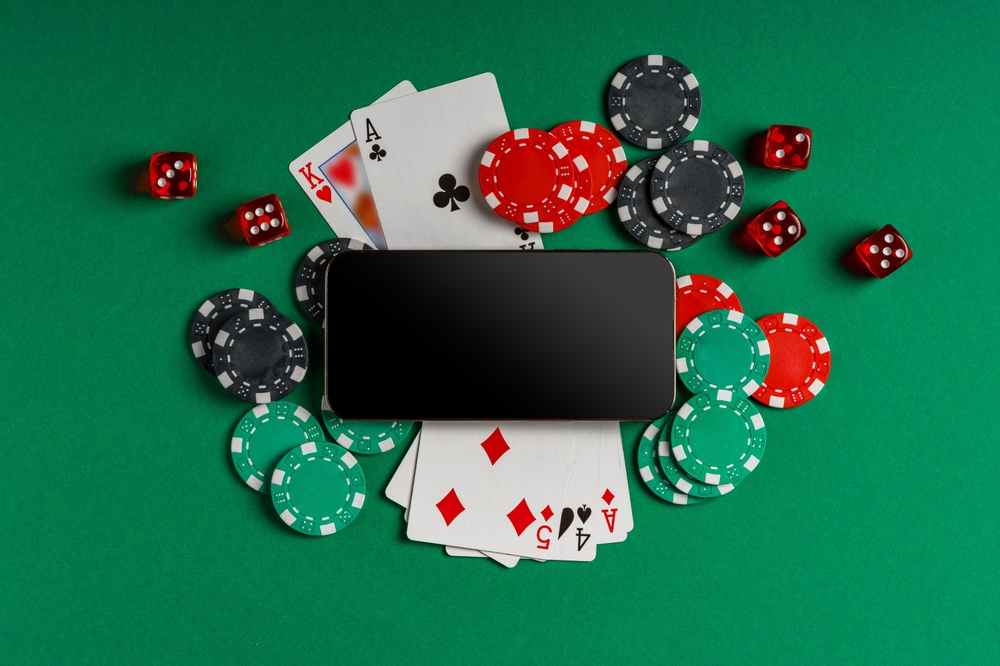
Menace Casino: En introduktion för nya spelare
Menace Casino strävar efter att erbjuda en spännande och tillgänglig spelupplevelse för alla typer av spelare. För nybörjare är plattformen utformad för att vara intuitiv och användarvänlig, med ett brett utbud av spel som passar alla smaker. Från populära spelautomater med engagerande teman och bonusfunktioner till klassiska bordsspel som blackjack och roulette, finns det gott om alternativ att utforska. Webbplatsen fokuserar på att skapa en säker och ansvarsfull spelmiljö, där spelare kan njuta av underhållningen med vetskapen om att viktiga säkerhetsåtgärder är på plats.
När du besöker Menace Casino för första gången, rekommenderas det att du tar dig tid att utforska spelbiblioteket och kanske prova några av de spel som erbjuds i demoläge. Detta ger dig en utmärkt möjlighet att lära dig hur olika spel fungerar utan att riskera dina egna pengar. Plattformen erbjuder ofta generösa välkomstbonusar och kampanjer som kan ge ditt spelande en extra skjuts, men det är alltid viktigt att läsa igenom villkoren noggrant för att förstå hur dessa erbjudanden fungerar. Menace Casino vill att du ska ha en positiv och ansvarsfull start på ditt speläventyr.